
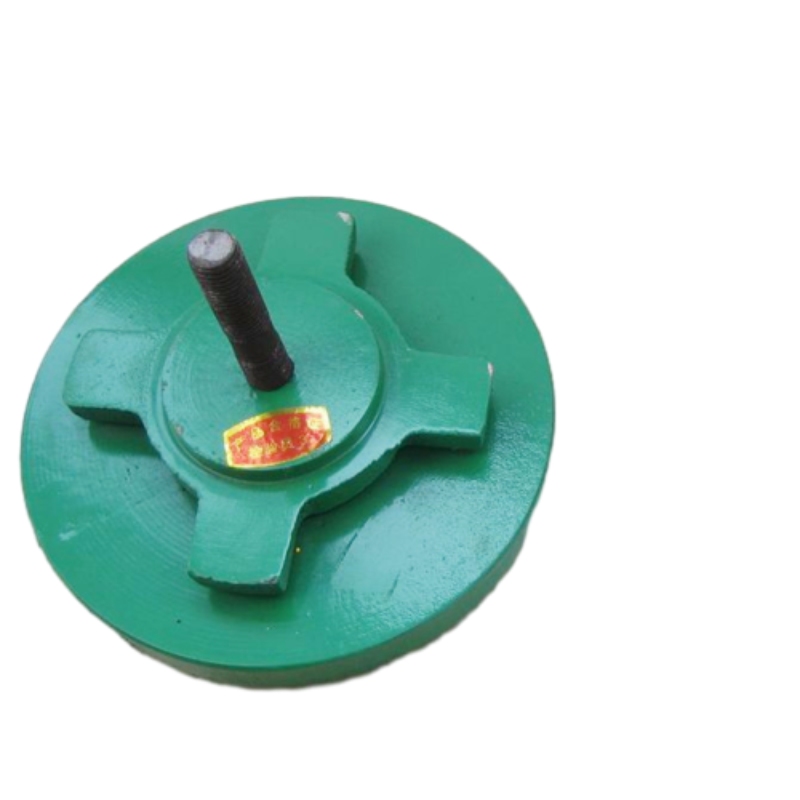
10mm toughened glass
Understanding the Thread Micrometer Set A Comprehensive Guide When it comes to precision measurement in mechanical engineering and manufacturing, few tools are as indispensable as a thread micrometer set. Designed specifically to measure the pitch diameter and other critical dimensions of threaded components, thread micrometers play a crucial role in ensuring accuracy and quality in various applications. In this article, we will explore the significance of a thread micrometer set, its construction, and its practical uses in different industries. What is a Thread Micrometer Set? A thread micrometer set is a specialized measuring tool that allows users to gauge the dimensions of threaded parts with extreme precision. Traditional micrometers are generally used for measuring linear dimensions, but thread micrometers are tailored for screw threads. These tools are essential in industries such as manufacturing, automotive engineering, and aerospace, where the precision of threaded connections can have serious implications for safety and functionality. Components of a Thread Micrometer Set A typical thread micrometer set consists of several components that work together to ensure accurate measurements 1. Micrometer Body The main frame of the micrometer houses the measuring mechanism. It usually has an anvil and spindle, which are moved closer or further apart to measure the dimension of the object. 2. Measuring Faces The measuring faces of a thread micrometer are designed to fit the profile of the screw thread. They often come in various sizes and shapes, including plain, round, or shaped edges tailored for different thread types. 3. Metric and Imperial Scales Many micrometers include both metric and imperial scales to cater to a global range of applications. This feature provides versatility for engineers and machinists working in different regions. 4. Thimble and Sleeve The thimble and sleeve allow for fine adjustments and precise readings. The thimble rotates around the sleeve, providing a graduated scale that can be finely tuned to measure minute increments. Why Use a Thread Micrometer Set? thread micrometer set 1. Precision The most significant advantage of a thread micrometer set is the level of precision it offers. Measurements can be taken to the nearest thousandth of an inch or millimeter, which is vital for ensuring that threaded components fit together securely. 2. Improved Quality Control In manufacturing environments, the use of thread micrometers helps maintain quality control standards. By measuring and verifying the dimensions of each threaded part, manufacturers can reduce the risk of defects and improve overall product reliability. 3. Versatility Thread micrometers are designed for various applications, measuring different types of threads—such as metric, unified, and British standard threads. This versatility makes them valuable tools in many settings. 4. Ease of Use While precision tools often come with a learning curve, thread micrometers are generally user-friendly. Even individuals with basic training can become proficient in measuring threaded components with these tools. Practical Applications Thread micrometer sets find applications across numerous industries. Here are a few examples - Automotive Industry In automotive manufacturing, thread micrometers are used to measure bolt sizes and thread pitches, ensuring that components fit together securely and operate safely. - Aerospace Sector With safety being a top priority, aerospace engineers rely on thread micrometers to ensure that every threaded connection meets stringent specifications. - General Manufacturing From small workshops to large-scale manufacturing facilities, thread micrometers are essential for machinists and fabricators to verify the dimensions of parts before assembly. Conclusion In summary, a thread micrometer set is an essential tool for anyone involved in the production, inspection, or maintenance of threaded components. With their ability to provide accurate measurements, enhance quality control, and ensure the safety and reliability of products, these micrometers are invaluable in many industry applications. Understanding how to use a thread micrometer set effectively can empower engineers and technicians to maintain high standards of precision in their work, ultimately leading to better products and greater customer satisfaction. Whether in a workshop or a high-tech manufacturing facility, the role of thread micrometers remains critical in the world of precision engineering.
about
10mm toughened glass
Understanding Standard Bore Gages An Essential Tool in Precision Engineering In the realm of precision engineering, the significance of accurate measurements cannot be overstated. Whether dealing with mechanical components in the automotive industry, manufacturing settings, or even in aerospace applications, the ability to measure the internal diameter of cylindrical parts with high accuracy is crucial. This is where standard bore gages come into play, serving as an indispensable tool for engineers and machinists alike. What is a Standard Bore Gage? A standard bore gage is an instrument designed to measure the internal diameter of holes or bores with great precision and repeatability. It ensures that the specifications of components meet the precise requirements needed for proper assembly, functionality, and performance. Bore gages come in various types, including dial bore gages, electronic bore gages, and fixed limit gages, each offering distinct advantages based on the specific measurement needs of a project. Types of Standard Bore Gages 1. Dial Bore Gages These are perhaps the most commonly used bore gages, featuring a dial indicator that provides a visual readout of the internal diameter. When a dial bore gage is inserted into a bore, the gauge's measuring arms make contact with the bore's internal surface. The dial turns, showing the user the diameter measured. This type is particularly useful for quickly evaluating the size of components during the manufacturing process. 2. Electronic Bore Gages For those who require higher precision, electronic bore gages offer digital readouts and often boast additional features, such as data storage, statistical process control, and the ability to connect to computers for real-time monitoring. This technology is particularly beneficial in high-volume manufacturing settings where consistency and traceability are essential. 3. Fixed Limit Gages These gages provide a simple yes/no outcome based on whether a part meets the specified dimensions. They are typically used in quality control scenarios and are designed to check if a manufactured part is within acceptable tolerance levels. Importance of Bore Gages in Industry standard bore gage The primary function of bore gages is to assure the quality of manufactured parts. In many industries, components must fit together correctly to ensure their overall performance and safety. A mis-measured bore can lead to assembly problems, increased wear and tear, and in more severe cases, catastrophic failures. Therefore, using standard bore gages helps manufacturers adhere to stringent quality assurance processes. Moreover, bore gages play a crucial role in maintaining the lifecycle of machinery and mechanical systems. Regular monitoring and measuring of parts can help identify wear and potential failure points before they lead to significant downtime or safety hazards. Consequently, they contribute to reducing maintenance costs and extending the operational lifespan of equipment. Measuring Techniques and Best Practices To attain the most accurate readings from a standard bore gage, several best practices should be adhered to - Calibration Regular calibration of the gage is essential for ensuring accurate measurements. Depending on usage, this may need to occur weekly or monthly. - Proper Technique When measuring, insert the gage slowly and carefully to avoid any potential damage to the instrument or the bore itself. It's also crucial to take measurements at multiple points within the bore to assess for any inconsistencies. - Environmental Factors Consider the temperature and cleanliness of the measuring environment. Contaminants and thermal expansion can impact measurements, so maintaining a controlled environment is vital. Conclusion In conclusion, standard bore gages are vital instruments in the field of precision engineering, providing the necessary means to ensure accurate measurements of internal diameters. Their various types cater to different measurement needs, emphasizing the importance of measurement accuracy in manufacturing and quality control. By adhering to measurement best practices and regular calibration, professionals can leverage bore gages to maintain high standards of quality and performance in their projects. As industries continue to demand higher precision, the role of standard bore gages in engineering will only grow in importance, securing their place as an indispensable tool in modern manufacturing.
-

High quality industrial productsagement

High quality industrial products
View Details -

Meet the diverse needs of customers

Meet the diverse needs of customers
View Details -

Strict quality control

Strict quality control
View Details -

Top raw materials

Top raw materials
View Details -

Trusted supplier

Trusted supplier
View Details
Our application

news and information
Válvula Strainer Tipo Y - Proteção Eficiente para Sistemas de Tubulação
Válvula de Strainer do Tipo Y Importância e Aplicações As válvulas de strainer, conhecidas também co
Using a Small Hole Gauge for Accurate Measurement in Precision Engineering Applications
The Importance of Small Hole Gauges in Precision Measurement In various industries, precision measur
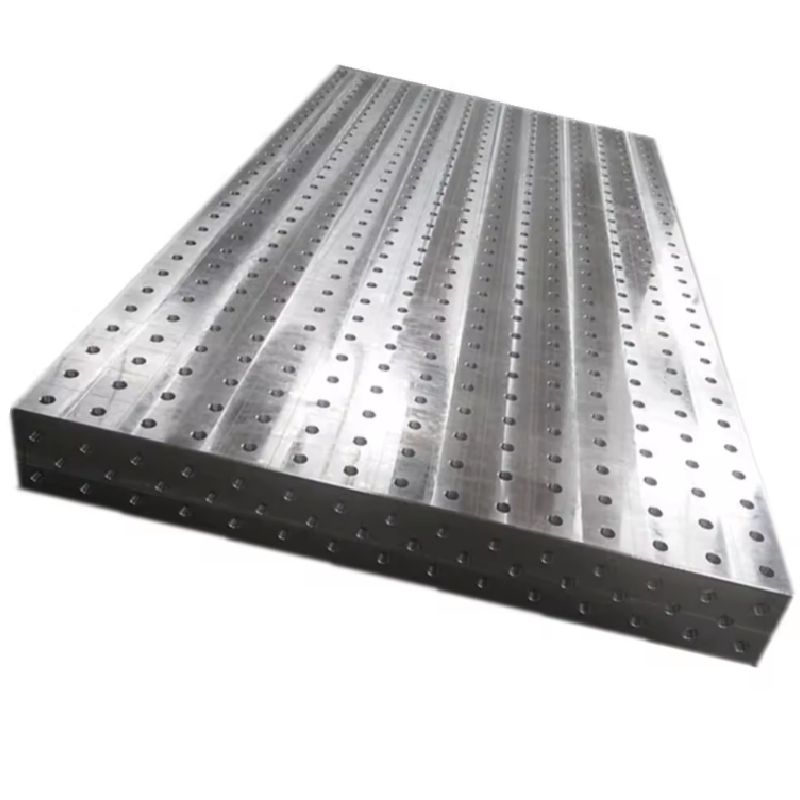
welding table china
The Rise of Welding Tables in China A Comprehensive Overview Welding tables play a crucial role in v
 English